Bruckner: Symphony No. 8 in C minor
Symphonieorchester des Bayerischen Rundfunks, Mariss Jansons
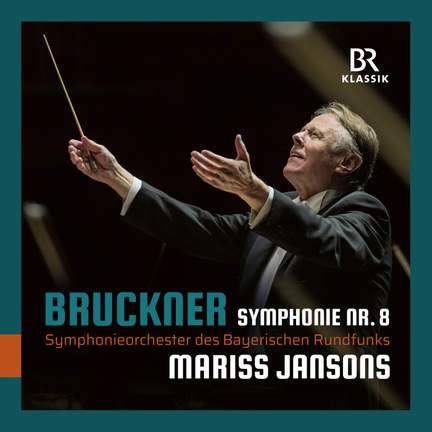
Awards:
-
BBC Music Magazine, September 2018, Orchestral Choice

No lover of this symphony will be content with less than half a dozen recordings, and this should undoubtedly be among them.
Bruckner: Symphony No. 8 in C minor
Symphonieorchester des Bayerischen Rundfunks, Mariss Jansons
Purchase product

Awards:
-
BBC Music Magazine, September 2018, Orchestral Choice
No lover of this symphony will be content with less than half a dozen recordings, and this should undoubtedly be among them.
About
The genesis of Anton Bruckner's Eighth Symphony was perhaps ignited by a bout of sudden fame that boosted the composer’s constantly shaky self-confidence. After the performance of Bruckner’s Seventh, the famous conductor Hermann Levi had hailed him as "the greatest symphonist since the death of Beethoven". Frequently ridiculed in Vienna, Bruckner had finally been taken seriously in Munich: his importance had been recognized, and the Austrian emperor had awarded him the Order of Franz Joseph – something that filled the composer with pride. In the summer of 1884 he set to work on a new symphony, returning this time to C minor, the key of his first two symphonies. This key had an especially powerful symphonic precedent in Beethoven's Fifth, and virtually challenged him to make the journey per aspera ad astra (“through the night to the light”). He wanted to create the greatest instrumental symphony of all time; its scale became gigantic, placing huge demands on performers and audience alike. The incomparably bold design of the finale probably represents the longest and most daring sonata-form movement ever written; Bruckner referred to it as “the most important movement of my life”. Towards the end of it, when the main themes of all four movements sound simultaneously, he wrote a euphoric "Hallelujah!" into the draft.
In August 1887, after three years of work, the symphony was completed, but because of energetic objections from Levi it was not immediately performed. Bruckner revised his work thoroughly between October 1887 and March 1890, and the premiere of the Eighth Symphony in its new version finally took place on December 18, 1892, performed by the Vienna Philharmonic under Hans Richter. It was an extraordinary success. Hugo Wolf described the concert as follows: "It was an absolute victory of light over darkness, and the storm of delighted applause was like some elemental manifestation of nature. In short, it was a triumph as complete as any Roman emperor could have wished for."
Since then, Bruckner's Eighth Symphony has been an integral part of the symphonic repertoire, yet it still continues to present a huge challenge to performers. Mariss Jansons and the musicians of the Symphonieorchester des Bayerischen Rundfunks are however more than equal to the extraordinary demands made by this masterpiece. The recording of the Munich concert event of November 2017 has now been released on CD by BR-KLASSIK: it is an exemplary performance of one of the most important compositions of the Late Romantic symphonic repertoire, in its version of 1890.
Contents and tracklist
- Symphonie-Orchester des Bayerischen Rundfunks
- Mariss Jansons
- Recorded: 13-18 November 2017
- Recording Venue: Philharmonie im Gasteig, Munich, Germany
Awards and reviews
-
BBC Music MagazineSeptember 2018Orchestral Choice
 September 2018
No lover of this symphony will be content with less than half a dozen recordings, and this should undoubtedly be among them.
 September 2018
Jansons’s performance is a notable achievement. Even taking into consideration the Bavarian Radio Symphony orchestra’s long history of Bruckner interpretation, the quality of the playing is exceptional. I’m not sure I’ve ever heard the symphony’s instrumental detail presented with such careful attention to colour, phrasing and balance…There’s more to a performance than refined playing, however, and Jansons’s interpretation also impresses with its command of symphonic structure.
 1st July 2018
This live recording in the Nowak edition has great virtues, not least its transparency, revealing Bruckner’s wonderful scoring with rare clarity.