Art from Trauma: Genocide and Healing Beyond Rwanda
- Editor: Gallimore, Rangira Bea
- Editor: Herndon, Gerise
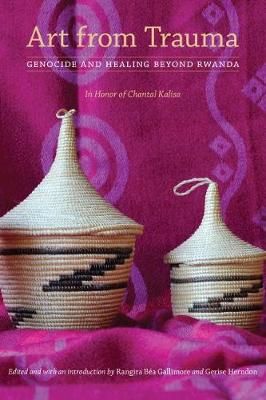
Art from Trauma: Genocide and Healing beyond Rwanda in very creative ways examines and explores the subject of trauma, an experience that could subsume one into oblivion, denial, and death,...
Art from Trauma: Genocide and Healing Beyond Rwanda
- Editor: Gallimore, Rangira Bea
- Editor: Herndon, Gerise
Purchase product
Art from Trauma: Genocide and Healing beyond Rwanda in very creative ways examines and explores the subject of trauma, an experience that could subsume one into oblivion, denial, and death,...
About
What is the role of aesthetic expression in responding to discrimination, tragedy, violence, even genocide? How does gender shape responses to both literal and structural violence, including implicit linguistic, familial, and cultural violence? How might writing or other works of art contribute to healing? Art from Trauma: Genocide and Healing beyond Rwanda explores the possibility of art as therapeutic, capable of implementation by mental health practitioners crafting mental health policy in Rwanda.
This anthology of scholarly, personal, and hybrid essays was inspired by scholar and activist Chantal Kalisa (1965–2015). At the commemoration of the nineteenth anniversary of the genocide in Rwanda, organized by the Rwandan Embassy in Washington DC, Kalisa gave a presentation, “Who Speaks for the Survivors of the Genocide against Tutsi?” Kalisa devoted her energy to giving expression to those whose voices had been distorted or silenced. The essays in this anthology address how the production and experience of visual, dramatic, cinematic, and musical arts, in addition to literary arts, contribute to healing from the trauma of mass violence, offering preliminary responses to questions like Kalisa’s and honoring her by continuing the dialogue in which she participated with such passion, sharing the work of scholars and colleagues in genocide studies, gender studies, and francophone literatures.
Contents
- List of Illustrations
- Foreword, by Patricia A. Simpson
- Acknowledgments
- Introduction, by Rangira Bea Gallimore and Gerise Herndon
- Part I. In Memoriam: Lessons Learned from Chantal Kalisa
- 1. Baby Steps
- Margaret Jacobs
- 2. Speaking Nearby Genocide
- Gerise Herndon
- 3. Chantal's Voice: A Guiding Light
- Natalia Ledford
- 4. Bittersweet Realities: Field Research, Human Rights, and Questioning Intentions
- Laura Roost and Ryan Lowry, with Patrice McMahon
- 5. Memory, Language, and Healing
- Isabel Velazquez
- Part II. Performing Arts and Healing from the Genocide against the Tutsi in Rwanda
- 6. Theater and the Rwandan Genocide
- Chantal Kalisa
- 7. Ingoma Nshya: Forbidden Fruit Brings Healing and Empowerment to Rwandan Female Drummers
- Rangira Bea Gallimore
- Part III. Visualizing Violence, Silence, and Trauma
- 8. The Films of Kivu Ruhorahoza: Staging a New Sense of Direction?
- Odile Cazenave and Patricia-Pia Celerier
- 9. Hela Ammar: Art and Beyond
- Anna Rocca
- 10. Filming with Orphans of the Genocide: A Transformative Dialogue through a Double-Lens Approach
- Alexandre Dauge-Roth
- 11. Art for Teaching and Art for Surviving: From the Holocaust to Healing
- Eileen M. Angelini and Heather E. Connell
- Part IV. Narrating Atrocities and Dealing with Trauma
- 12. Gender-Based Violence in Monique Ilboudo's Fiction
- Nicki Hitchcott
- 13. Narrating Itsembabwoko and the Quest for Empathy
- Josias Semujanga
- 14. "Lay Down Body, Lay Down": Mitigating Transgenerational Trauma through Spirituality in Jewell Parker Rhodes's Magic City
- Kalenda Eaton
- Part V. Scripting Self and Healing in Women's Narratives
- 15. Women's Friendship in Exile: Healing in the Epistolary Correspondence between Zenobia Camprubi and Pilar de Zubiaurre
- Iker Gonzalez-Allende
- 16. Preserving Memories, Celebrating Lives: War, Motherhood, and Grief in Scholastique Mukasonga's La femme aux pieds nus
- Marzia Caporale
- List of Contributors
- Index
Awards and reviews

Art from Trauma: Genocide and Healing beyond Rwanda in very creative ways examines and explores the subject of trauma, an experience that could subsume one into oblivion, denial, and death, but which, thankfully, due to the arts including literature, can help to pull the survivors out of this dark place