

Biber: Sonatae Tam Aris Quam Aulis Servientes Nos. 1-12
Ars Antiqua Austria, Gunar Letzbor
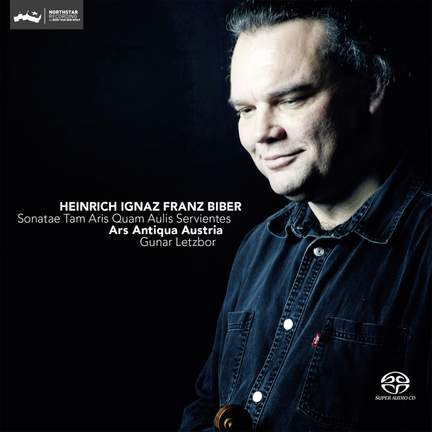
Period-instrument ensemble Ars Antiqua Austria takes the contrapuntal dexterity by the scruff of the neck and the musicians revel in readings that ooze brio and boisterous élan. Just occasionally...
Biber: Sonatae Tam Aris Quam Aulis Servientes Nos. 1-12
Ars Antiqua Austria, Gunar Letzbor
Purchase product

Period-instrument ensemble Ars Antiqua Austria takes the contrapuntal dexterity by the scruff of the neck and the musicians revel in readings that ooze brio and boisterous élan. Just occasionally...
About
Austrian Baroque music takes centre stage in the repertoire of this unusual Baroque ensemble. The music performed at the imperial court in Vienna at this time was initially heavily influenced by the music of Italy, later by that of France; Spanish court ceremonial also had important artistic effects in Vienna. The typical Austrian sound of this era was characterised by the impact of its many royal domains. The political and societal boundaries of Baroque Austria stretched much further than nowadays. Elements of Slavic, Hungarian and Alpine folk music styles had lasting effects on art music, making up its specific sound. The title “Sonatae tam aris quam aulis servientes” suggests that these works can be used for both sacred and secular purposes. They represent the first of several collections of pieces for polyphonic instrumental ensembles (published in 1676, 1680 and 1682) in which Biber demonstrated his mastery in handling the most important forms of instrumental music of his time.
Contents and tracklist
Awards and reviews
 November 2015
Period-instrument ensemble Ars Antiqua Austria takes the contrapuntal dexterity by the scruff of the neck and the musicians revel in readings that ooze brio and boisterous élan. Just occasionally the meticulous rhythmic accentuation threatens to render the verve over-combative, but Sonata No. 9's sly perky charm and melodramatic grandstanding are held in savvy equilibrium
 September 2015
This is very much home ground for Ars Antiqua Austria and violinist-director Gunar Letzbor, who launch themselves into the music with enthusiasm. Their string sound courses with intensity and bold projection to a degree that, while managing to maintain transparency, springiness and a certain quickness of thought, runs the risk of becoming overbearing in its rarely relenting ebullience…[but] even on repeated listenings, the sheer robust joy and commitment of Ars Antiqua's performances are hard to resist.
 12th July 2015
Don’t be put off by the title: this is wonderful music, and all the words indicate is that the pieces can be used in church or court... what you get in these 12 sonatas is the music of gesture: sweeping roulades, folksy melodies, plangent fanfares. Fiercely incisive playing from Ars Antiqua, the six strings led by Gunar Letzbor, and unforced accuracy from the trumpets.
