

Mussorgsky: Pictures at an Exhibition
Nobuyuki Tsujii (piano)
This performance [of Pictures] proves his win was neither just a flash in the pan, nor a sentimental gesture from the judges. Tsujii's initial 'Promenade' comes across with a clean, sustained,...
Mussorgsky: Pictures at an Exhibition
Nobuyuki Tsujii (piano)
Purchase product

This performance [of Pictures] proves his win was neither just a flash in the pan, nor a sentimental gesture from the judges. Tsujii's initial 'Promenade' comes across with a clean, sustained,...
About
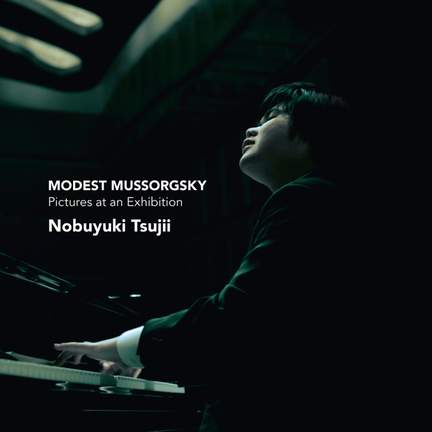
This is the second album by the young, award-winning blind Japanese pianist Nobuyuki Tsujii for Challenge Classics, following a stunning account of Rachmaninov’s Second Piano Concerto (CC72371). His new CD – music from the solo repertoire – includes Mussorgsky’s great piano cycle “Pictures at an Exhibition” alongside two pieces by Franz Liszt, Un Sospiro and the Concert Paraphrase on themes from Verdi’s Rigoletto.
Blind since birth, Nobuyuki Tsujii was joint-winner of the Gold Medal at the Van Cliburn International Piano Competition in 2009. Since then he has appeared at the Aspen Music Festival and the Ravinia Festival, and given recitals throughout the U.S.A. He has worked with conductors including Vladimir Ashkenazy, Yutaka Sado and Vladimir Spivakov.
Nobuyuki Tsujii has made a number of recordings for Avex Classics including an all-Chopin recital disc, and a live DVD recording of his 2008 solo recital at Suntory Hall.
Modest Mussorgsky composed Pictures at an Exhibition in 1874, after he had attended an exhibition of paintings and drawings by the artist Victor Hartmann, who had died in the summer of 1873. Un Sospiro (A Sigh) is one of the three concert études Franz Liszt composed around 1848. His Concert Paraphrase – Rigoletto of 1859 utilises themes from the famous vocal quartet “Bella figlia dell’amore” in the third act.
Contents and tracklist
Awards and reviews
 December 2011
This performance [of Pictures] proves his win was neither just a flash in the pan, nor a sentimental gesture from the judges. Tsujii's initial 'Promenade' comes across with a clean, sustained, singing line, with the supporting chords being beautifully voiced. 'Gnomus', which follows, makes an even more dramatic contrast than usual...towards the end the momentum flags...But Liszt's Rigoletto paraphrase with which he rounds things off is splendid.
