Saint-Saëns - Piano Trios
The Florestan Trio
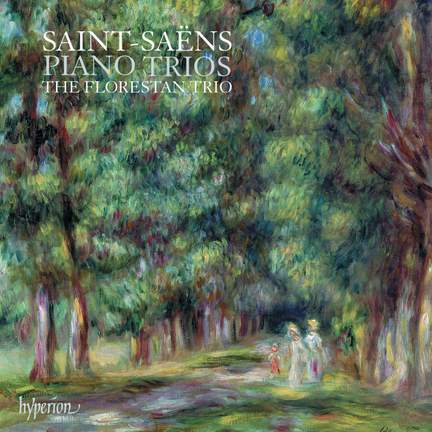
Awards:
-
Gramophone Magazine, May 2006, Editor's Choice

-
Presto Favourites, Recommended Recording

Well, the Florestan Trio have done it again – a sure-fire Gramophone Award nominee. Indeed, such is the cumulative emotional impact of these performances that tears welled up during the wonderful...
Saint-Saëns - Piano Trios
The Florestan Trio
Purchase product

Awards:
-
Gramophone Magazine, May 2006, Editor's Choice
-
Presto Favourites, Recommended Recording
Well, the Florestan Trio have done it again – a sure-fire Gramophone Award nominee. Indeed, such is the cumulative emotional impact of these performances that tears welled up during the wonderful...
About
Despite being the composer of innumerable works in all genres from grand opera to piano miniature, Saint-Saens today is known largely for his third symphony (the Organ Symphony), the piano concertos (award-winningly recorded by Stephen Hough on Hyperion) and the omnipresent Carnival of the animals (a work its composer did his best to suppress). The two piano trios, composed in 1863 and 1892, stand at the apogee of his neglected chamber music output, and their place in a genre the composer held dear is reflected in their quality. Piano Trio No 1 was Saint-Saenss first truly successful work. Inspired by the terrain and folk music of the French Pyrenees, it has a breezy simplicity, its open lyricismnavete evenoffering so much more than 1860s opera-mad France could ever have realized. The second trio is a more serious and subtle work; the intervening decades had seen Saint-Saens retreat from a world in which he felt increasing marginalized. From self-imposed exile in Algeria he sent this work to the world as a postcard firmly reiterating his belief in the values of traditional form and melody. Performances by The Florestan Trio are every bit as committed and polished as we have come to expect from their many previous acclaimed recordings.
Contents and tracklist
Spotlight on this release
-
Camille Saint-Saëns
27th Mar 2015
James explores the music of French composer Camille Saint-Saëns and chooses some of his favourite recordings.

Awards and reviews
-
Gramophone MagazineMay 2006Editor's Choice
-
Presto FavouritesRecommended Recording
 2010
2010
Well, the Florestan Trio have done it again – a sure-fire Gramophone Award nominee. Indeed, such is the cumulative emotional impact of these performances that tears welled up during the wonderful fortissimo climax of the E minor Trio's first movement – that even before the astonishing intensity of the final, precipitous Allegro. 'Cumulative' because most of the time the Florestan prefer stealth and suggestion; they don't wear their hearts on their sleeves. Instead they offer, like Saint-Saëns's art, a filigree lightness and clarity that somehow twists itself into an ever-deepening pattern of turmoil.
Listen to the underlying wistfulness in the F major Trio: how the élan of the first movement's final chords provides a springboard into a cheerful bucolic landscape that is nevertheless crossed with clouds – this brought about by a web of delicate rhythmic and tonal shading in the string-playing stretched over Susan Tomes's dancing, pellucid framework.
Or the maturity and self-confidence in the E minor: nothing is forced, everything flows – from the stormy first movement through the lighter central movements (and here the languid descending phrases of the Andante con moto are beautifully sculpted by both Marwood and Lester) to the complex yet never turgid imitative writing of the last. Recorded sound and accompanying notes are, of course, impeccable. No argument: just buy it.
 May 2006
Well, the Florestan Trio have done it again… such is the cumulative emotional impact of these performances that, I don’t mind admitting, I wept during the wonderful fortissimo climax of the E minor trio's first movement - that even before the astonishing intensity of the final, precipitous Allegro.

Typically polished, authoritative performances of the two Piano Trios by the members of the Florestan Trio, not least some graceful playing by pianist Susan Tomes in the Andante con moto of the E minor trio, and stirringly sophisticated contributions from violinst Anthony Marwood and cellist Richard Lester.