Special offer. Bach - Partitas
Cédric Tiberghien (piano)
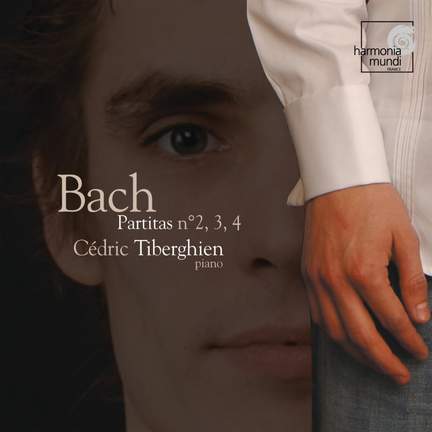
No double-dotting in the Sinfonia of No 2 or the Overture of No 4; and that alone might be a bone of contention. But there is no consensus on the use of this unwritten Gallic custom.
Couperin,...
Special offer. Bach - Partitas
Cédric Tiberghien (piano)
Purchase product

We pay more royalties to artists and composers than any other streaming service with our innovative Fair Play pay-per-second model
We pay artists and composers fairly with our pay-per-second model
No double-dotting in the Sinfonia of No 2 or the Overture of No 4; and that alone might be a bone of contention. But there is no consensus on the use of this unwritten Gallic custom.
Couperin,...
About
Contents and tracklist
Awards and reviews
 2010
2010
No double-dotting in the Sinfonia of No 2 or the Overture of No 4; and that alone might be a bone of contention. But there is no consensus on the use of this unwritten Gallic custom.
Couperin, for instance, felt it ought to apply only to French music. Muffat disagreed, and included German music in a French style as well. Cédric Tiberghien doesn't challenge his illustrious compatriot. He obeys the text; and while the searing introduction to the Sinfonia might have gained from a compact, incisive rhythm (the swifter third part would certainly have gained from a slower traversal), the corresponding introduction to the Overture is grand indeed. And here the succeeding section is taken at a credible tempo. The result is a lucid yet animated exposé of an imposing movement.
Tiberghien doesn't attempt to imitate a harpsichord and, apart from a few spread chords, doesn't add embellishments. Again he might be thought of as not adhering to Baroque performing practices. But, with the exception of the Rondeaux in No 2 and No 3's Fantasia, he does observe repeats, though he prefers to vary them through articulation and dynamics rather than decoration. He uses the piano – tonally a touch strident as recorded – mostly wisely, to offer interpretations of Bach that stretch the expressive envelope, particularly so in deeply felt allemandes and sarabandes. Tiberghien may not please everybody; but his emotional involvement with the music is so high, it is a pleasure to recommend this disc.