Laughter between Two Revolutions
Opera Buffa in Italy, 1831-1848
- Author: Izzo, Francesco
Shed[s] light on some of the possible implications of such works within the larger political context. A refreshingly multifaceted picture of post-Rossinian opera buffa . . . that emerges as...
Laughter between Two Revolutions
Opera Buffa in Italy, 1831-1848
- Author: Izzo, Francesco
Purchase product
Shed[s] light on some of the possible implications of such works within the larger political context. A refreshingly multifaceted picture of post-Rossinian opera buffa . . . that emerges as...
About
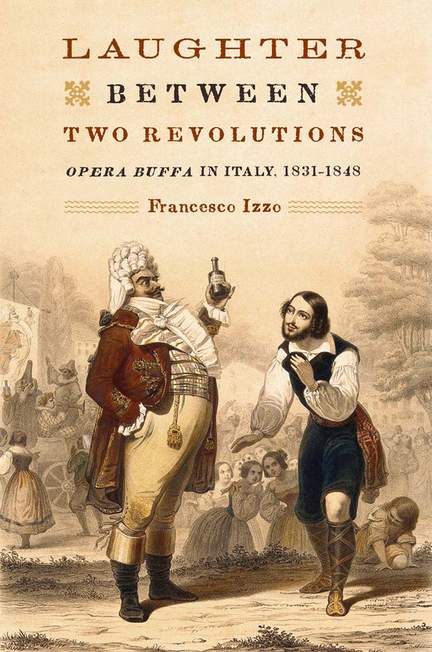
This study represents the first substantial assessment of Italian comic operas composed during the central years of the Risorgimento -- the period during which upheavals, revolutions, and wars ultimately led to the liberation andunification of Italy. Music historians often view the period as one during which serious Romantic opera flourished in Italy while opera buffa inexorably declined. Laughter between Two Revolutions revises this widespread notion by viewing well-known comic masterpieces -- such as Donizetti's L'elisir d'amore (1832) and Don Pasquale (1843) -- as part of a still-thriving tradition. Also examined are opere buffe by LuigiRicci, Lauro Rossi, Verdi (Un giorno di regno), and others, many of which circulated widely at the time. Francesco Izzo's pathbreaking study argues that in the "realm of seriousness" of mid-nineteenth-century Italy, comedywas not an anachronistic intruder, but a significant and vital cultural presence. This important volume offers new insights into opera history and theories of comedy in the arts. It will be of interest to opera lovers everywhere and to students in music, philosophy, comparative literature, and Italian cultural studies. Francesco Izzo is senior lecturer in music at the University of Southampton.
Contents
- Introduction
- Opera Buffa in 1832: Il nuovo Figaro and L'elisir d'amore
- The Ricci Supremacy and the Celebration of Italian Comedy: Un'avventura di Scaramuccia (1834)
- Old Librettos Revisited: Gaetano Rossi and Luigi Ricci's Le nozze di Figaro (1838) and Other Remakes
- Genre in Gaetano Donizetti's Don Pasquale (1843)
- Genre in Giovanni Peruzzini and Lauro Rossi's Il borgomastro di Schiedam (1844)
- "Evviva la Francia"? Nationality, Censorship, and Donizetti's La figlia del reggimento (1840)
- Conclusion: The Ricci Legacy, Crispino e la comare (1850), and Post-1848 Opera Buffa
- Notes
- Selected Bibliography
- Index
Awards and reviews
Music and Letters
Shed[s] light on some of the possible implications of such works within the larger political context. A refreshingly multifaceted picture of post-Rossinian opera buffa . . . that emerges as complex and tension-imbued as it could be. [Historical accounts need to consider] the lively, anti-defeatist voices and vital operatic tradition [that] Izzo has recovered and delivered to us. -- Frances Vella