The Rough Guide To Memphis Blues
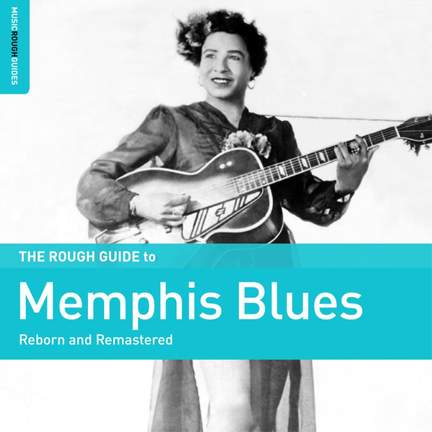
The Rough Guide To Memphis Blues
Purchase product
About
Ever since the self-proclaimed Father of the Blues, W.C. Handy published The Memphis Blues in 1912, the city has become synonymous with this musical form and often dubbed as the Home of the Blues. As the closest big city to the Mississippi Delta, Memphis stood at the heart of the cotton economy and became a magnet for musicians seeking to escape the hardships of the Delta country. Inevitably they gravitated to the bars and barrelhouses of the notorious Beale Street, the main drag of the African American entertainment district. In turn, this area became a target for the field-recording units of the race record companies, with both the Victor and Columbia labels recording their first sessions in Memphis in 1927. This was a watershed moment which led to many of the greatest early country blues pioneers being recorded in Memphis including the featured Furry Lewis, Robert Wilkins, Sleepy John Estes and Memphis Minnie, undoubtedly the most influential and popular female country blues singer of all time. Nowhere provided a concentration and diversity of early blues forms to rival Memphis, which brought together both rural and urban musical traditions and songs from traveling minstrel and medicine shows. Along with being a hub for Delta blues during the late 1920s, it was also the home of many of the great jug bands including Will Shades Memphis Jug Band and Gus Cannons Jug Stompers. Utilising cheap earthenware jugs along with other improvised instruments including washboards and kazoos, these bands developed out of the country blues and songster traditions and created an upbeat and comic sound perfectly suited to entertaining crowds, and far removed from the raw sound of the Delta blues. The Memphis Jug Band recorded under several different names for various labels and produced more sides than any other pre-war jug band including the timeless On The Road Again. Often referred to as a training ground for musicians, many fine performers passed through the ranks of the Memphis Jug Band including Memphis Minnie, whos featured North Memphis Blues sees her performing in a duo with her second husband Joe McCoy in 1930. Minnie Wallace was another female diva associated with the Memphis Jug Band and her classic The Old Folks Started It includes the wonderful backing of band leader Will Shade and other members of his gang. Considered by many to be the personification of the Memphis blues, Walter Furry Lewis was born in Greenville, Mississippi in 1893, but relocated to Memphis as a boy. With his subtle and spontaneous guitar and vocal style, Furry Lewis was one of the first of the blues musicians active in the 1920s to be brought out of retirement and given new opportunities to record and perform during the folk & blues revival of the 1960s. Likewise, Robert Wilkins was another prominent Memphis bluesman who was originally born in Mississippi but made his name in Memphis. After making his last pre-war recordings in 1935 he shortly joined the Church of God in Christ and became a minister. Like Furry Lewis, Wilkins was rediscovered in the 1960s and performed and recorded gospel material along with the blues. Virtually nothing is known about Tom Dickson, apart from a remembrance by Mississippi Joe Callicott, who said he played ...around Memphis. Clearly a very sophisticated guitarist, his heartfelt Happy Blues was unfortunately just one of six sides recorded in Memphis in 1928, of which only four were issued. Similarly, Allen Shaw is also shrouded in mystery whose I Couldnt Help It highlights his glorious, dynamic baritone vocals. Another powerfully voiced bluesman, Frank Stokes was born sometime between 1877 and 1888 (accounts vary) and is widely considered as the father of the Memphis blues guitar style whose important legacy has only recently been fully appreciated. His heartfelt How Long Blues, highlights his musical finesse which set him apart from many of his less polished contemporaries, honed over the many years he spent performing with travelling medicine shows.
Contents and tracklist
- The Rough Guide To Memphis Blues