Mahler: Urlicht
Janina Baechle (mezzo-soprano) & Markus Hadulla (piano)
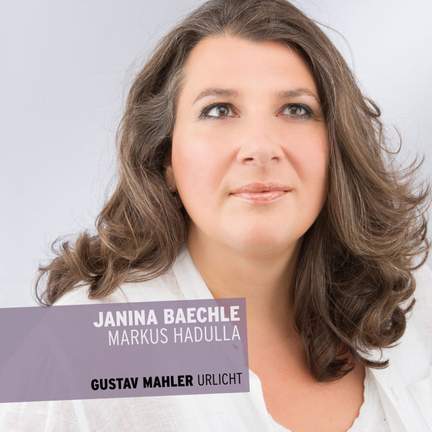
Baechle has a nicely rounded tone, although she shows some signs of strain in her upper middle register...She also shades her voice with delicacy, and obtains some nice sense of meaning where...
Mahler: Urlicht
Janina Baechle (mezzo-soprano) & Markus Hadulla (piano)
Purchase product

Baechle has a nicely rounded tone, although she shows some signs of strain in her upper middle register...She also shades her voice with delicacy, and obtains some nice sense of meaning where...
About
The songs (lieder) presented in this recording are among Gustav Mahler’s most representative. Performed by German mezzo-soprano Janina Baechle and accompanied by pianist Markus Hadulla, this truly magical CD should find instant favour with Mahler enthusiasts and lovers of lieder generally.
Except for the musical settings of poems by Friedrich Rückert, the lieder are all based on Mahler’s own poems or folk poems out of “Des Knaben Wunderhorn” (“The Boy's Magic Horn: Old German Songs”), a particular favourite of Mahler’s and great source of inspiration to him.
Best known for her performances with the Vienna State Opera, Janina Baechle is an immensely talented artist whose voice has been described by German publication Der Western as having “a wonderful timbre, shimmering like glowing velvet with radiant high notes”.
Contents and tracklist
- Markus Hadulla (piano), Janina Baechle (mezzo-soprano)
- Recorded: 17-21 September 2012
- Recording Venue: Liszt-Zentrum, Raiding, Austria
- Markus Hadulla (piano), Janina Baechle (mezzo-soprano)
- Recorded: 17-21 September 2012
- Recording Venue: Liszt-Zentrum, Raiding, Austria
- Markus Hadulla (piano), Janina Baechle (mezzo-soprano)
- Recorded: 17-21 September 2012
- Recording Venue: Liszt-Zentrum, Raiding, Austria
Awards and reviews
 13th May 2014
Baechle has a nicely rounded tone, although she shows some signs of strain in her upper middle register...She also shades her voice with delicacy, and obtains some nice sense of meaning where the orchestral accompaniment might have demanded the use of a broader brush.