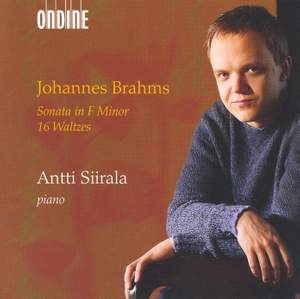


Special offer. Brahms: Piano Sonata No. 3 in F minor, Op. 5, etc.
Antti Siirala (piano)
Awards:
-
Gramophone Magazine, August 2004, Editor's Choice
Antti Siirala has been a serial entrant of piano competitions. He wins most of them, including the Beethoven, London, Dublin and Leeds (2003) events but Siirala is a great deal more than a jurypleaser....
Special offer. Brahms: Piano Sonata No. 3 in F minor, Op. 5, etc.
Antti Siirala (piano)
Purchase product
Awards:
-
Gramophone Magazine, August 2004, Editor's Choice
Antti Siirala has been a serial entrant of piano competitions. He wins most of them, including the Beethoven, London, Dublin and Leeds (2003) events but Siirala is a great deal more than a jurypleaser....
About
Contents and tracklist
Awards and reviews
-
Gramophone MagazineAugust 2004Editor's Choice
2010
Antti Siirala has been a serial entrant of piano competitions. He wins most of them, including the Beethoven, London, Dublin and Leeds (2003) events but Siirala is a great deal more than a jurypleaser.
This is a strikingly good disc, notable both for the full-bodied, golden tone of the piano (superbly recorded) and his ability to hold together both long movements and large structures with playing of refined musicality. After the first two pages of the F minor Sonata other mighty performances spring to mind – Katchen, Solomon, of course, Grainger and Bauer from an even earlier era. After the leonine first movement comes the long nocturnal narrative of the second.
To hear Siirala at his most expressive, try the final section (andante molto) from 9'02", sensitive to every nuance, deeply felt and aching with regret.
He characterises the rumbustious Scherzo and its chorale-like Trio equally well, and builds to the impassioned climax of the finale with abandon.
Siirala brings colour and imagination to the Op 39 Waltzes. He makes subtle use of all the repeats, and the sighing falls of No 12 are beautifully done, though it's debatable whether almost all the left hand of the famous A flat waltz (No 15) should be played staccato (only the first four bars and six towards the end are so marked). It's a detail, to be sure, an aspect of the music to which Siirala, otherwise, pays admirable attention.