US TARIFFS UPDATE | August 2025 | No impact expected on your Presto orders | Read full details
Italian Opera in the Age of the American Revolution
- Author: Polzonetti, Pierpaolo
An intriguing theory that sets the seal on a thoughtful, wide-ranging exploration of a largely forgotten repertory the importance of which Polzonetti argues persuasively
Italian Opera in the Age of the American Revolution
- Author: Polzonetti, Pierpaolo
Purchase product
An intriguing theory that sets the seal on a thoughtful, wide-ranging exploration of a largely forgotten repertory the importance of which Polzonetti argues persuasively
About
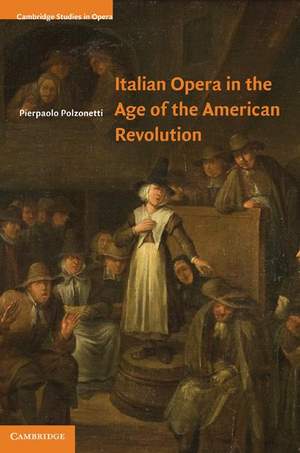
How did revolutionary America appear to European audiences through their opera glasses? The operas studied in this volume are populated by gun-toting and slave-holding Quakers, handsome Native Americans, female middle-class political leaders, rebellious British soldiers and generous businessmen. Most of them display an unprecedented configuration of social and gender roles, which led leading composers of the time, including Mozart, Haydn, Anfossi, Piccinni and Paisiello, to introduce far-reaching innovations in the musical and dramatic fabric of Italian opera. Polzonetti presents a fresh perspective on the European cultural reception of American social and political identity. Through detailed but accessible analysis of music examples, including previously unpublished musical sources, the book documents and explains important transformations of opera at the time of Mozart's masterpieces, and its long-term consequences up to Puccini. Shedding new light on familiar and less-familiar operatic works, the study represents groundbreaking research in music, cultural and political history.
Contents
- Introduction
- 1. The changing world of the moon
- 2. Worlds up and upside down
- 3. Montezuma and the exotic Europeans
- 4. Cecchina goes to America
- 5. A Californian goes to Europe
- 6. Americans in the storm
- 7. The good Quaker and his slaves
- 8. Quakers with guns
- Epilogue: Figaro's transatlantic crossings.

Awards and reviews
An intriguing theory that sets the seal on a thoughtful, wide-ranging exploration of a largely forgotten repertory the importance of which Polzonetti argues persuasively